
Is it really bad for you?
With only a pinch or a little dash of this colorless and decisive ingredient, your food will have that savoury and flavourful taste. Hailed as the “The Umami effect of MSG (Monosodium Glutamate)”.
In the 1900s, a Japanese professor named Kikunae Ikeda extracted glutamate from the seaweed broth that made the taste of the soup flavourful. The discovery led the Japanese professor to patent the production of MSG, and it became a staple in the household kitchens and restaurants after it was commercially produced.
Fast forward to the 20th century, MSG is no longer extracted from its original source, seaweed; it is produced by a fermentation process from sources such as starch, sugar cane, molasses, yeast, tomatoes, parmesan cheese, and soybeans.
Because of its flavor-enhancing and storage-ideal properties, the popular MSG is found in almost all processed foods, soups, mayonnaise or dressings, frozen and canned foods, condiments and sauces, stock broths, and cubes. It is generally present in almost all forms of human consumption.

Pro-MSG camp says…
FDA labelled MSG as GRAS “ generally recognised as safe” on everyday consumption (less than 5gm/meal). Glutamate is one of the many amino acids and a building block of proteins our body needs.
It plays a crucial role in our nervous system by acting as a nerve cell messenger, transmitting messages from one neuron to another, and being a biological activity that allows the body to function correctly. The regulation agency is on point in delivering that message and has cited studies on why we should take MSG out of that impression as a dangerous chemical and shed light on the controversy.
- Because of its key component in determining the flavor of foods, it plays a beneficial role to old-aged people who lost their sense of taste causing poor appetite and nutritional decline
- Using MSG instead of consuming salt prevents the risk of hypernatremia (high sodium level) that can cause high blood pressure and associated kidney problems
- One study says that only approximately 4 percent of dietary glutamate ingested is absorbed by other body parts. Therefore, MSG is beneficial to the digestive system as a source of energy for the intestines
Anti-MSG camp says…
Despite the FDA’s approval of MSG as generally safe, there is still backlash, not only from the general public but also from the medical community of doctors and healthcare professionals. Numerous clinical research studies have been cited and used only to deliver the one message about the consumption of MSG and how it impacts our health.
- hepatotoxicity (liver problem or damage)
- nephrotoxicity (kidney problems or damage)
- mental and behavioral changes
- obesity and weight gain
- fertility and fetal developmental problems
- affecting immune system
- atopic dermatitis and other skin allergies
- pain-associated conditions flare-ups
- neurological effects
Majority of people reported these following symptoms and reactions after eating foods containing MSG.
- headache, migraines or dizziness
- flushing, redness, swelling,
- high blood pressure, numbness,chest pains, heart palpitations
- itchiness or allergies
- sleepiness, behavioral changes, low energy aka “food coma”
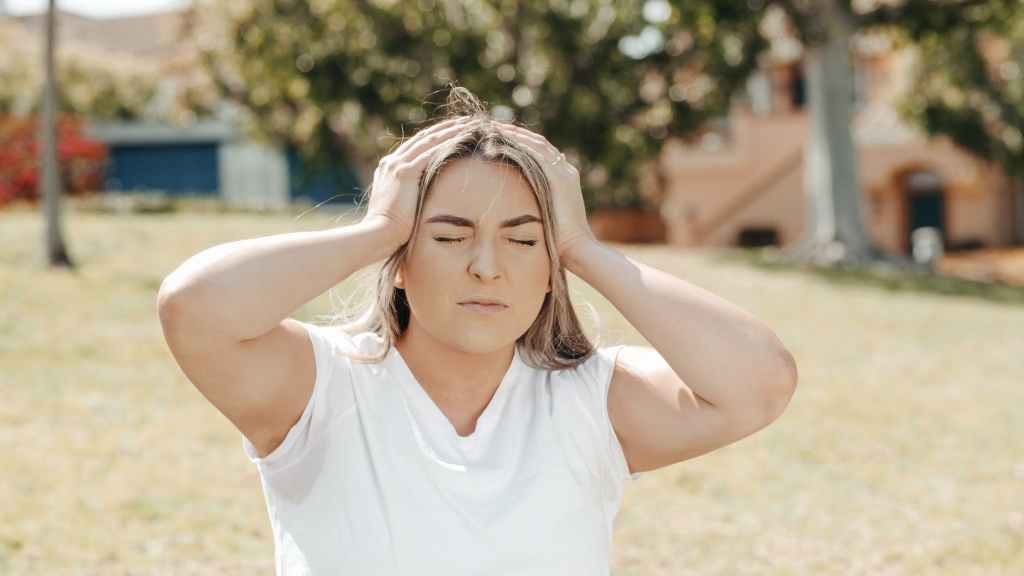
Although its relevance in the food industry is highly acclaimed, the health risk is still exponentially foreseeable. The toxic effects and threats will consistently be underestimated as long as the food industry deems this compound an essential and safe component and ingredient in food.
As the FDA says, “FDA requires that foods containing added MSG list it in the ingredient panel on the packaging as monosodium glutamate. However, MSG occurs naturally in ingredients such as hydrolyzed vegetable protein, autolyzed yeast, hydrolyzed yeast, yeast extract, soy extracts, and protein isolate, as well as in tomatoes and cheeses. While FDA requires that these products be listed on the ingredient panel, the agency does not require the label to also specify that they naturally contain MSG.
The Contemplation
The argument about this minute and colorless grains of molecule has caused an enormous and ongoing debate over these years.
Both camps fires up with literatures and research studies to support all claims, yet the magical white grains still lives on. I pondered to some of these arguments; 1.Were all claims anecdotal evidences and cases of MSG intolerances? 2.Was it a favorable or industry sponsored study? 3.Was it a Pseudo-food allergy, merely a product of human mind? 4.Were there methodological and design flaws? 5.Dosage accuracy and delivery on the mice subjects? Was MSG just another victim of bad popular press?
Were those studies an accurate example of methodological and design flaws? Dosage accuracy and delivery? or was MSG is just another victim of bad popular press?
These documents and findings will always be out there and shall live until new comes out. On the other hand, a vigorous study and further study is needed to validate all claims and really set a standard for the general and public health. Until then, safeguard your health.
Choose SAFETY
- Be a skeptic. When it comes to food, wear your most skeptical hat. Always read labels on all food preparations and packaging.
- As a Customer, it is your right. When dining or eating outside in the restaurants, be straightforward that you don’t want any MSG on your food. In this occasion, your server or waiter may raise an eyebrow on you but it is your right as a customer. Nowadays,more restaurants are very transparents on their NO MSG policy on their menus or sometimes as a part of their brand.
- Skip the Fast food, if possible. This one is no brainer.
- Be your own Chef. Cook and prepare your own food, the healthiest and safest meal you will ever have.
- Vitamins A,C,D,E and Quercetin. Unfortunately, we can never be safe all the time, MSG and MSG-derivatives will always be everywhere, often masked with other food additives. Supplementing with these fat-soluble vitamins may play role in preventing MSG-induced toxicity.
References:
https://www.fda.gov/food/food-additives-petitions/questions-and-answers-monosodium-glutamate-msg
http://www.glutamate.org/media/pdfs/nutrgb.pdf
http://nrs.harvard.edu/urn-3:HUL.InstRepos:8846733
https://www.ncbi.nlm.nih.gov/pmc/articles/PMC6952072/
Mustafa, Zannara, et al. “Monosodium glutamate, commercial production, positive and negative effects on human body and remedies-a review.” IJSRST 3 (2017): 425–435.
 Birthmark.on.Feet